Architecture
Churches & Basilicas
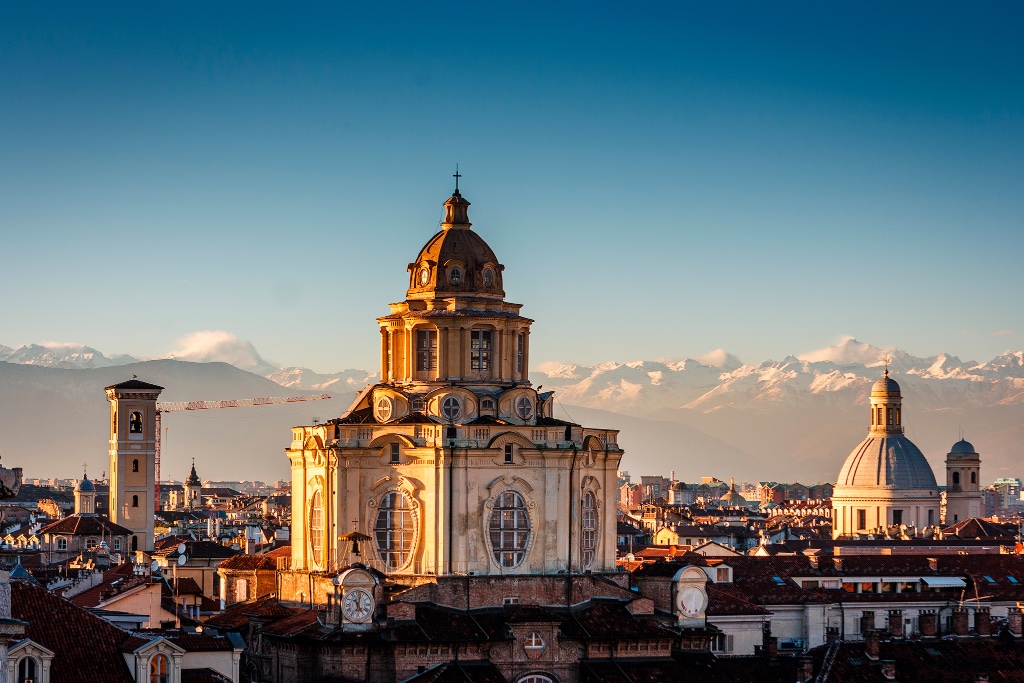
Superga, the Gran Madre, the Consolata — Turin's sacred buildings are among the most spectacular in northern Italy.
Turin Cathedral
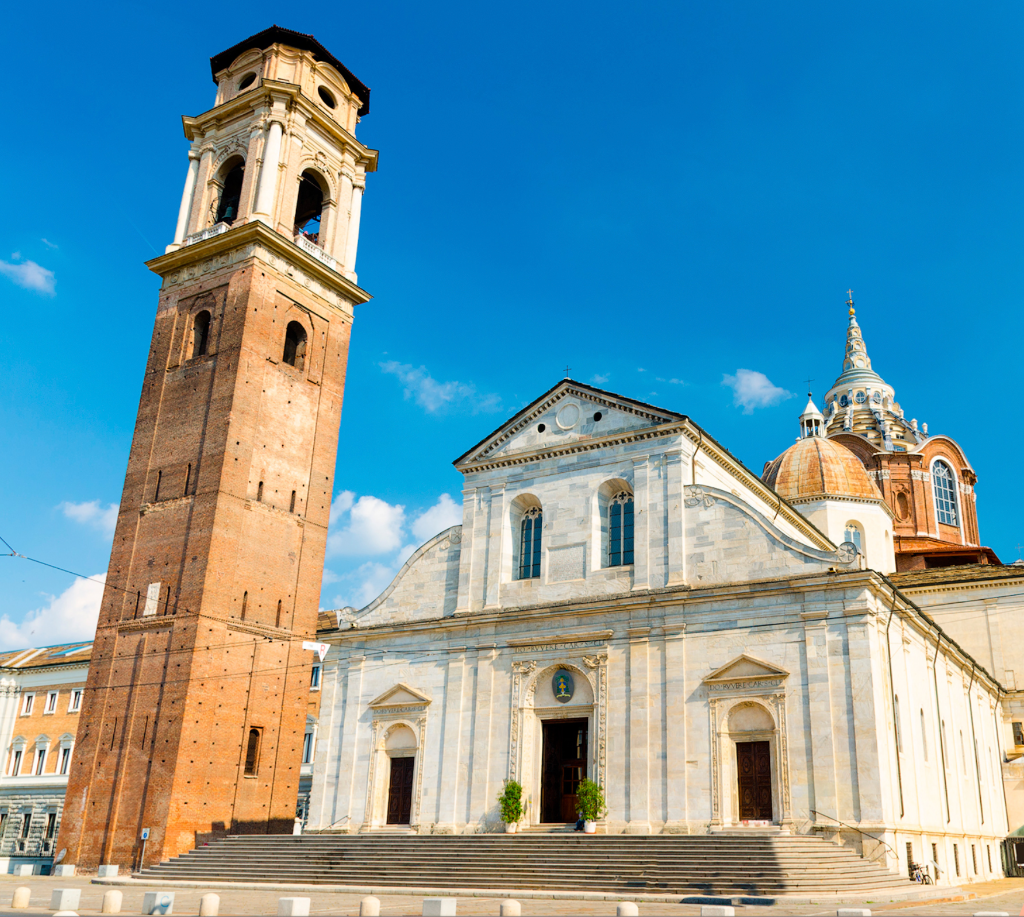
Built between 1491 and 1498, Turin Cathedral is dedicated to St John the Baptist and stands behind Piazza Castello. It features a Renaissance structure with a bell tower from 1470. Its most important annex is the Chapel of the Holy Shroud, designed by Guarini in the Baroque period. This chapel houses the famous Shroud of Turin, making the cathedral one of the most significant religious sites in the city, deeply connected to Christian tradition and history.
Gran Madre di Dio
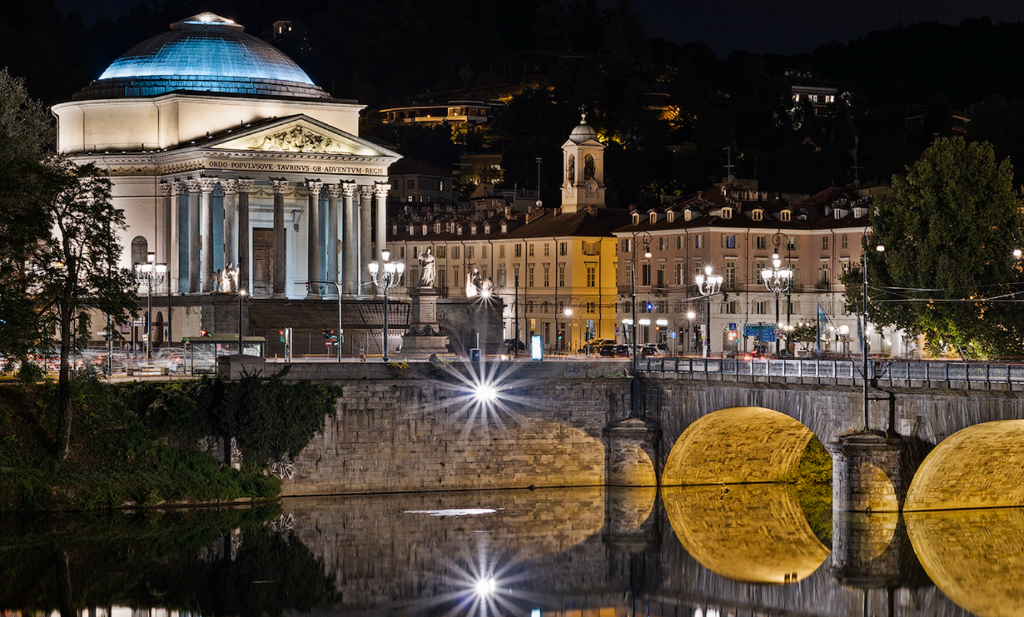
The Church of Gran Madre di Dio faces Piazza Vittorio Veneto and was built to celebrate the return of King Vittorio Emanuele I after Napoleon's defeat. Designed in neoclassical style inspired by the Pantheon, it features symbolic statues of Faith and Religion. Local legends associate the site with esoteric traditions and the Holy Grail. It remains one of Turin's most iconic landmarks, offering dramatic views across the river toward Monte dei Cappuccini.
Real Chiesa di San Lorenzo
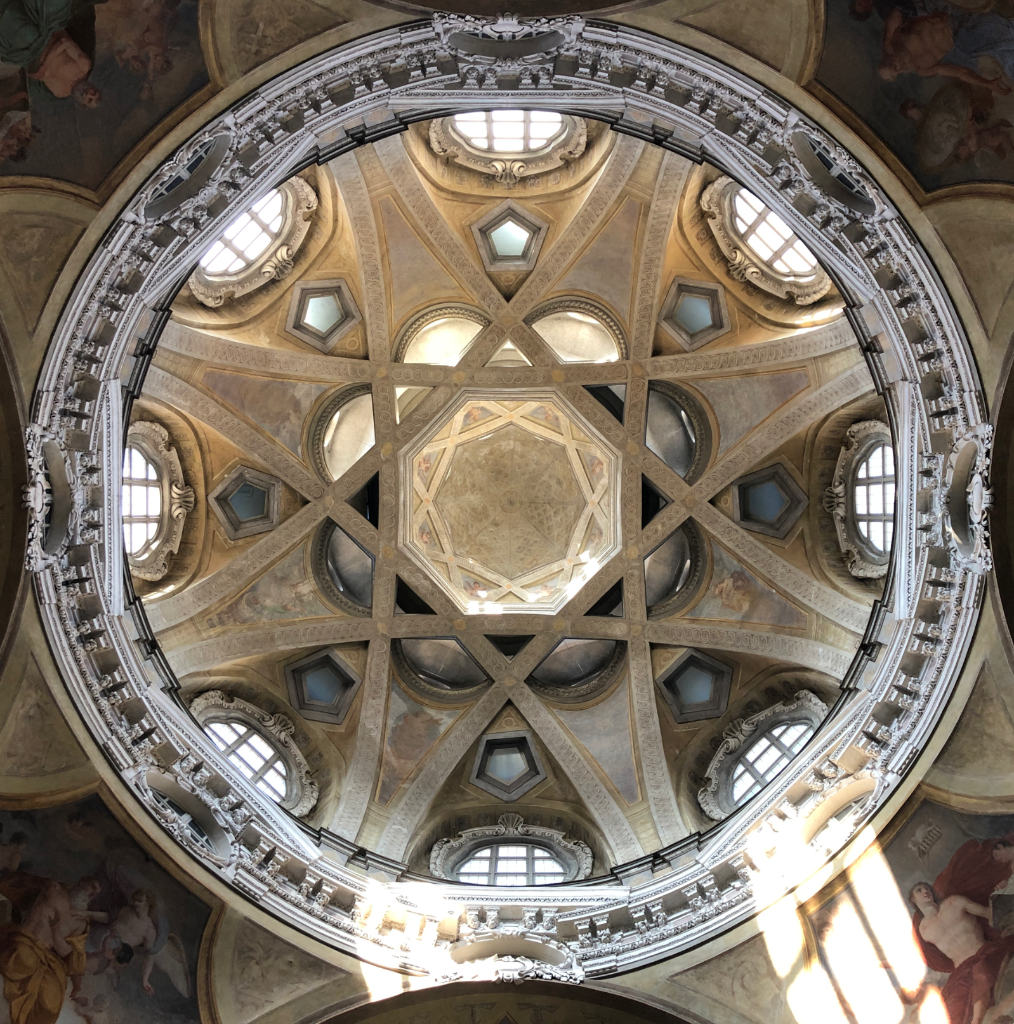
The Real Chiesa di San Lorenzo is a Baroque masterpiece designed by Guarino Guarini in the 17th century and located next to Turin's Royal Palace. Notably, it has no traditional façade, as the design was intentionally left incomplete to preserve the visual harmony of Piazza Castello and the royal complex. Its most striking feature is the complex dome, inspired by geometric and Islamic architectural principles, forming an intricate eight-pointed star structure that plays with light and perspective. The church also houses a copy of the Holy Shroud and contains carefully designed optical effects, including rare equinox phenomena where hidden frescoes become visible, reflecting Guarini's fusion of faith, mathematics, and astronomy.
Monte dei Cappuccini
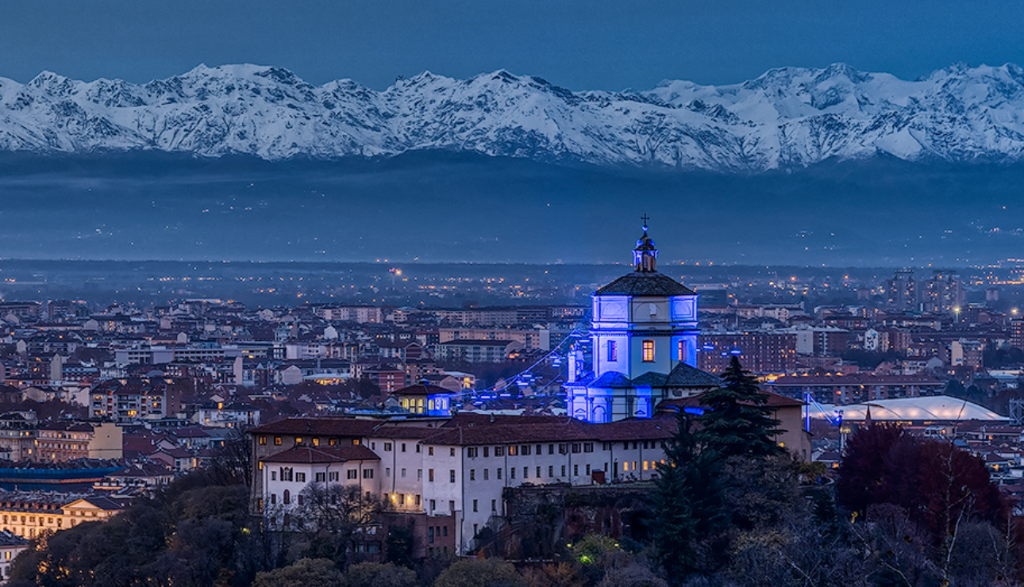
Monte dei Cappuccini is a hill overlooking the Po River and Turin's historic center, offering one of the best panoramic views of the Alps and the city skyline. It is home to the Church of Santa Maria and was historically used by Capuchin friars during epidemics and wartime. Legends of miracles and battles add to its mystique. Today it is a peaceful viewpoint blending history, spirituality, and natural beauty.
Basilica di Superga
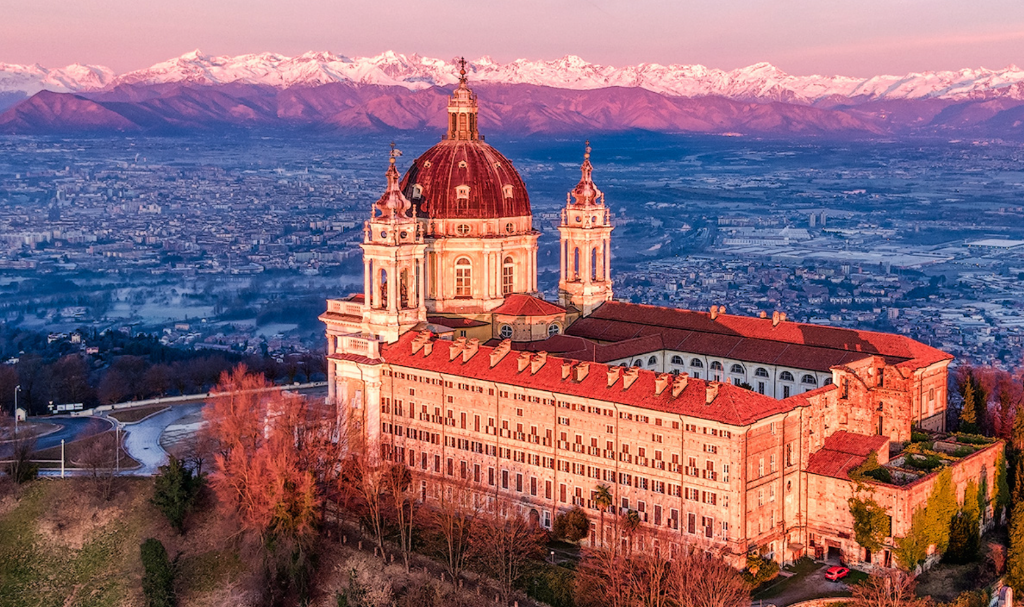
The Basilica di Superga is a monumental church overlooking Turin, built after a vow made by Duke Victor Amadeus II during the 1706 siege of the city. He promised to construct a church dedicated to the Virgin Mary if victorious, and the basilica was completed in 1731. Designed in Baroque style, it also serves as the burial place of the House of Savoy. Located on a hill 670 metres above sea level, it offers sweeping views of Turin and the Alps. It is accessible via the historic Superga Rack Railway, a scenic mountain line still operating with vintage carriages. The basilica is also the site of one of Italy's greatest tragedies: the 1949 Superga air disaster, in which the entire "Grande Torino" football team perished when their plane crashed into the rear wall of the building in dense fog. The event shocked the nation, as Torino FC had dominated Italian football in the 1940s and represented post-war pride and resilience. Today, the crash site is a memorial wall where fans from around the world leave tributes, and the memory of the team remains deeply embedded in Italian sporting culture.