City
Piazzas & Streets
Piazza Castello, Via Po, the arcaded boulevards — the city's public spaces are a theatre of daily Torinese life.
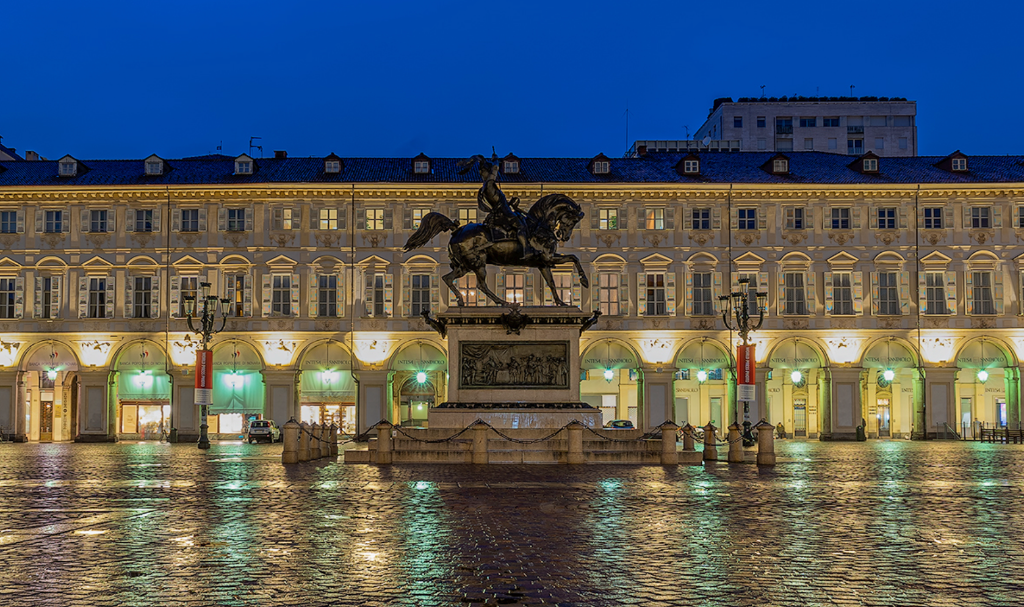
Piazza San Carlo
Known as the "living room of Turin," Piazza San Carlo is a majestic Baroque square built in the 17th century and dedicated to San Carlo Borromeo. It is framed by elegant arcades housing historic cafés like Caffè Torino and Caffè San Carlo. At its centre stands the equestrian statue of Emmanuel Philibert, a key city symbol. The square has been pedestrianised since 2004 and is one of Europe's most beautiful squares, combining architecture, history, and vibrant social life.
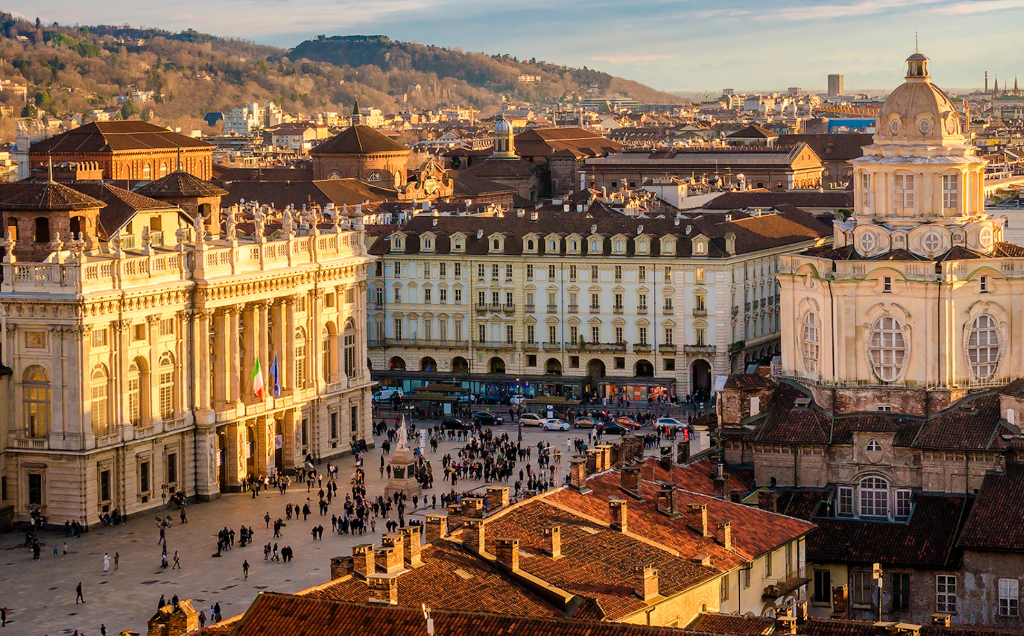
Piazza Castello
Piazza Castello is the historical and geographic heart of Turin, surrounded by major landmarks such as Palazzo Reale, Palazzo Madama, Teatro Regio, and the Royal Church of San Lorenzo. It also hosts the Royal Library and Torre Littoria. The square functions as a cultural and political hub and is the starting point for Via Po, Via Roma, Via Garibaldi, and Via Pietro Micca. It regularly hosts events and reflects Turin's layered history from Savoy rule to modern Italy.
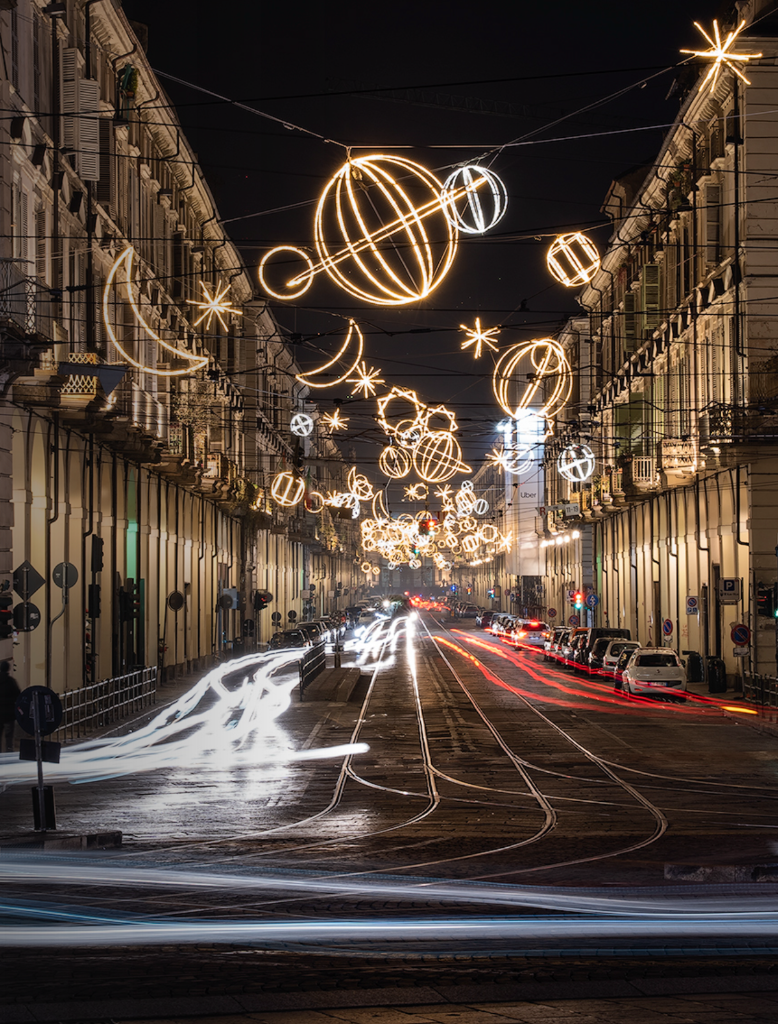
Via Po
Via Po is one of Turin's most elegant and historic streets, connecting Piazza Castello to Piazza Vittorio Veneto and the Po River. Built in the late 17th century, it is famous for its continuous arcades, shops, and cafés such as Caffè Fiorio. It also hosts the University of Turin. Its slightly irregular alignment reflects historical urban planning constraints. Today it is a lively pedestrian route combining shopping, architecture, and cultural heritage.
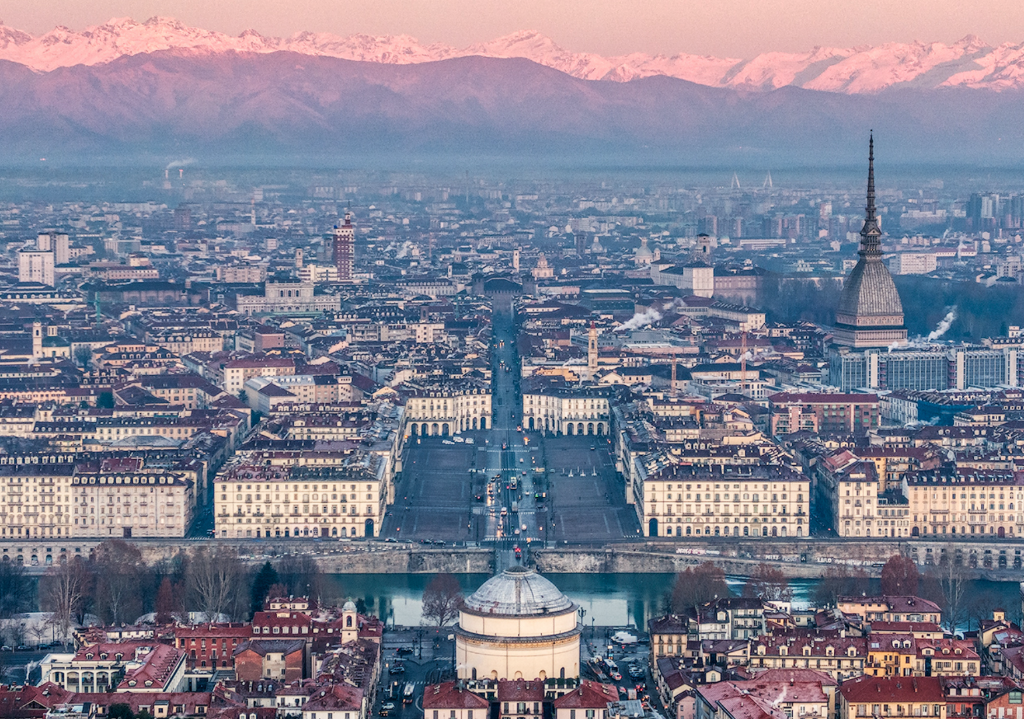
Piazza Vittorio Veneto
Piazza Vittorio Veneto is the largest square in Turin and one of the largest arcaded squares in Europe. It slopes gently toward the Po River and is framed by historic buildings and lively cafés. It connects via the Vittorio Emanuele I bridge to the Gran Madre district. The square is a social hub, especially in the evenings, and hosts events like the San Giovanni fireworks. Its scale and views make it one of Turin's most impressive spaces.
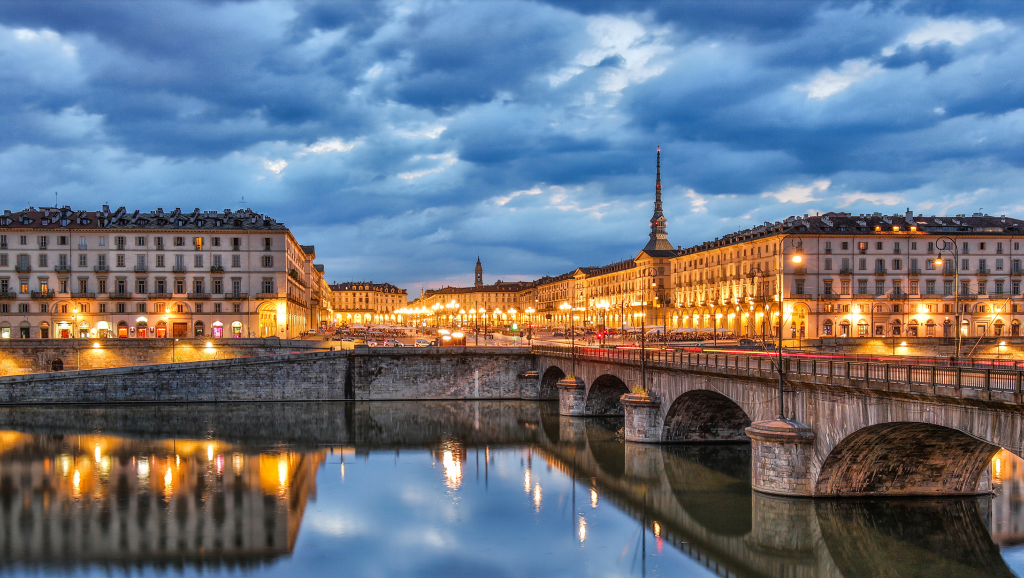
Ponte Vittorio Emanuele I
This historic bridge connects Piazza Vittorio Veneto with the Gran Madre area across the Po River. Originally planned under Napoleon, it was completed under King Vittorio Emanuele I after the French defeat. The stone structure replaced an earlier wooden bridge and became a symbol of Turin's resilience and political transition. Legends say it contains hidden coins and inscriptions in its central pillar, adding mystery to its historical and architectural significance.
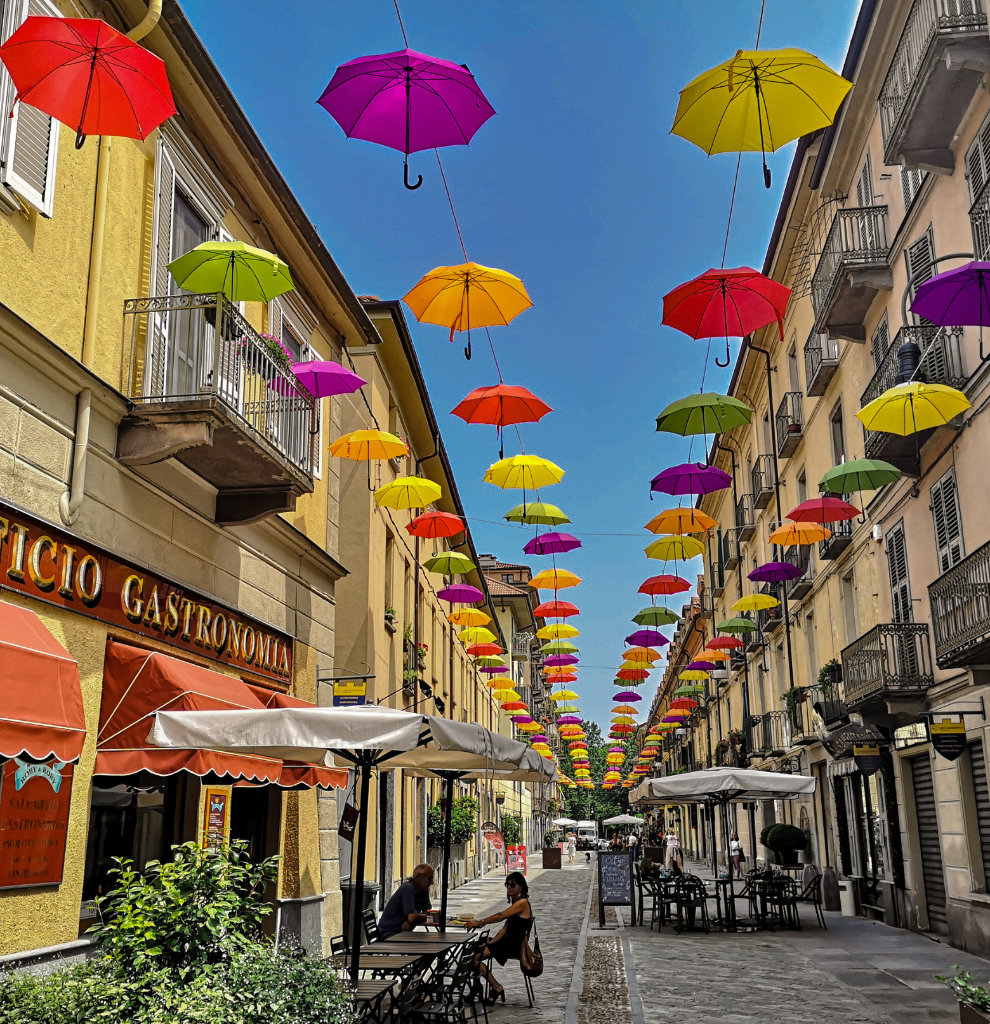
Via Monferrato
Via Monferrato is a picturesque pedestrian street near the river, famous for its artistic installation of hundreds of colorful umbrellas suspended overhead. Lined with restaurants and boutiques, it has become one of the most photographed streets in Turin. The installation creates a vibrant, playful atmosphere that contrasts with the city's classical architecture, making it a popular spot for visitors and locals seeking a modern, creative urban experience.
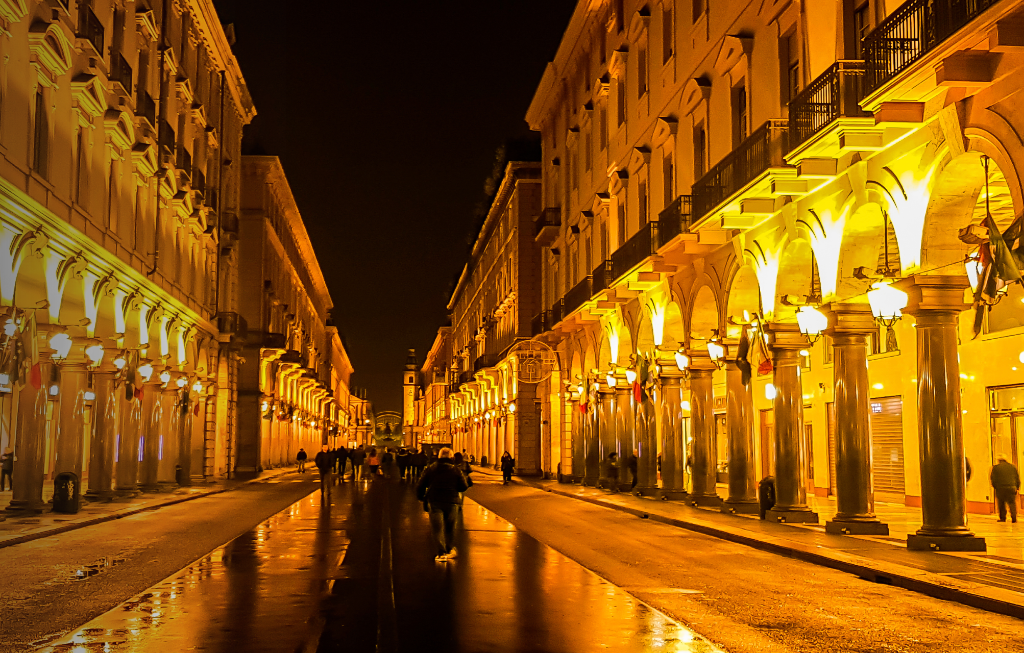
Via Roma
Via Roma is one of Turin's main boulevards, connecting Porta Nuova station with Piazza Castello. Built during the Fascist era in the 1930s, it features Rationalist architecture and elegant arcades. It passes through Piazza San Carlo and Piazza Carlo Felice, forming a central commercial axis. Today it hosts luxury shops, cafés, and cultural venues, blending historic urban design with modern shopping and pedestrian-friendly spaces.
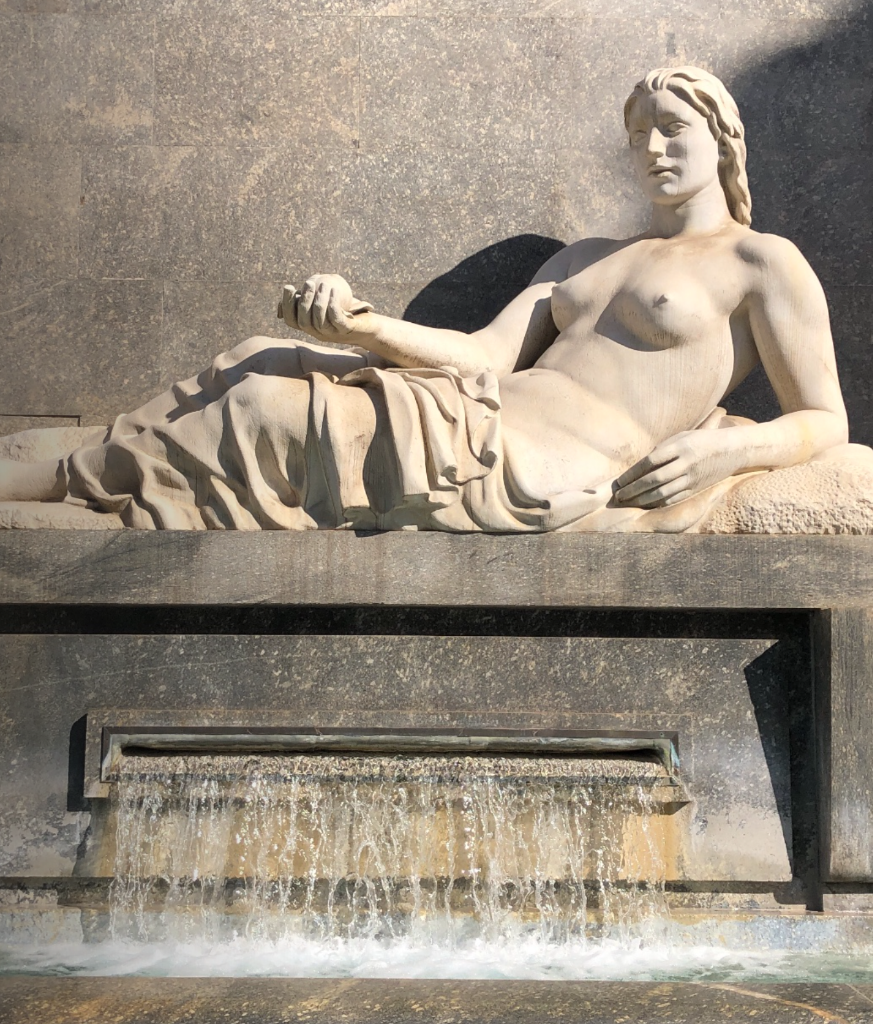
Piazza C.L.N.
Piazza C.L.N., located behind Piazza San Carlo, is a small but distinctive square known for its Rationalist architecture and twin fountains representing the Po and Dora rivers. The fountains gained fame after appearing in Dario Argento's film "Profondo Rosso." Despite its size, the square contributes to Turin's layered urban fabric, blending historical symbolism with 20th-century design and cinematic culture.
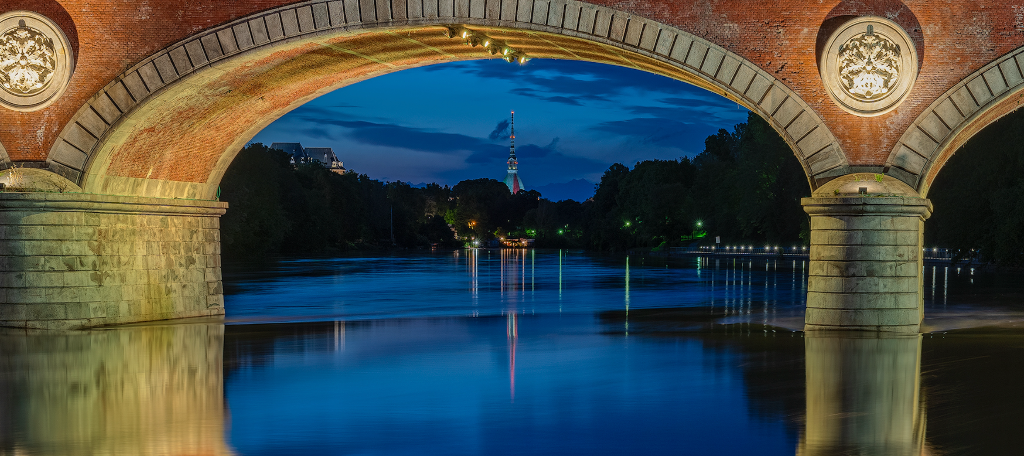
Ponte Principessa Isabella
Ponte Principessa Isabella is an elegant bridge over the Po River, named after a Bavarian noblewoman of the Savoy family. It is associated with local legends, including a story of workers saving a child during its construction. The bridge connects different parts of Turin and reflects 19th-century engineering and aristocratic influence. It remains a scenic crossing point with historical and romantic associations.
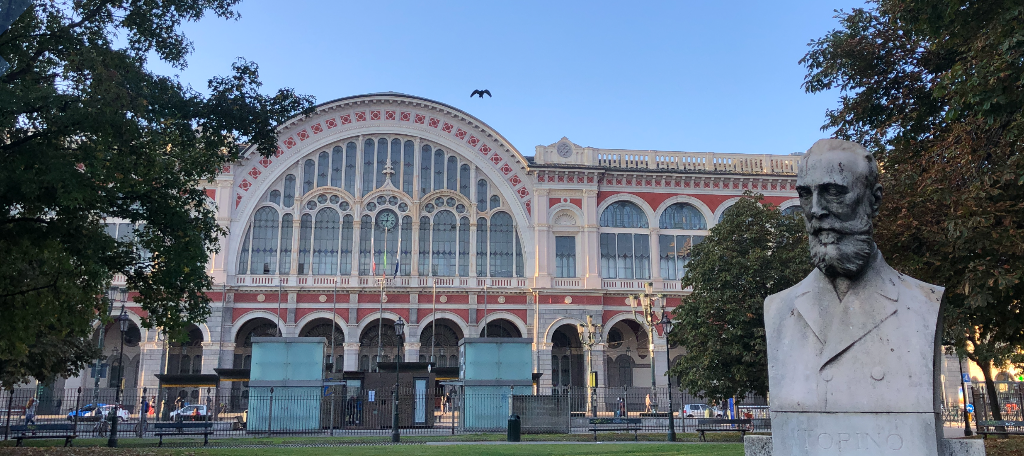
Piazza Carlo Felice
Piazza Carlo Felice is located in front of Porta Nuova station and features the Giardino Sambuy, a central garden area. It serves as a gateway to Turin's historic center and is one of the city's busiest transport hubs. The surrounding architecture reflects 19th-century urban development. The square blends green space with mobility and commerce, acting as a key transition point between the railway station and central boulevards.
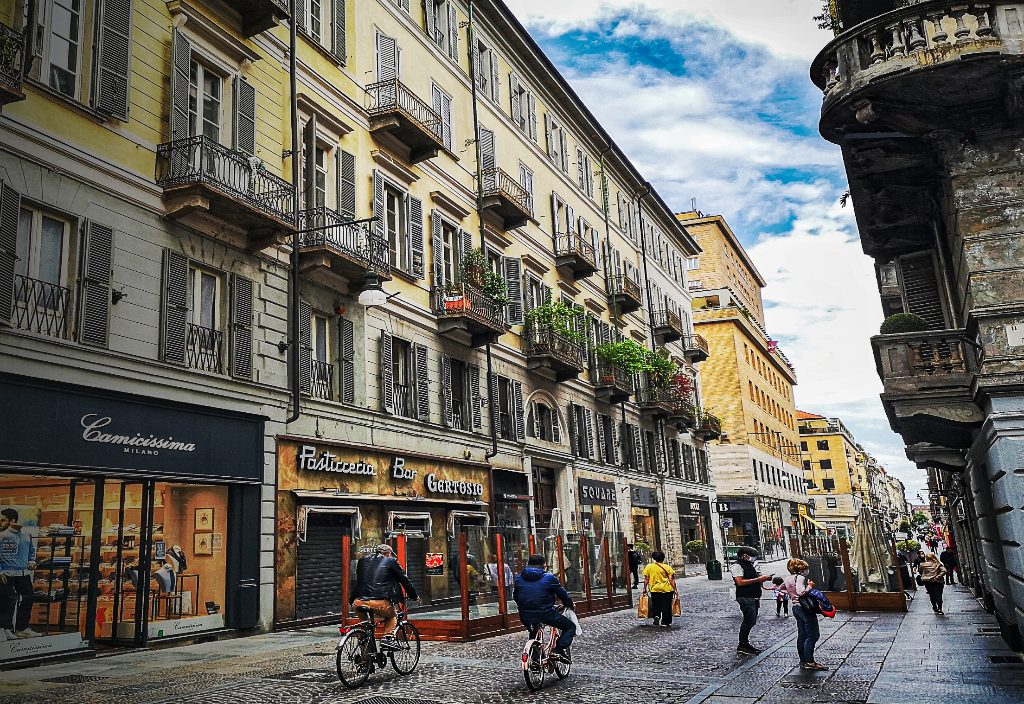
Via Lagrange
Via Lagrange and Via Carlo Alberto are elegant pedestrian streets linking Via Po with Corso Vittorio Emanuele II. Known for luxury boutiques, cafés, and historic buildings, they combine modern shopping with architectural charm. A notable feature is the "Equinox" light sculpture on Via Lagrange. These streets represent Turin's refined commercial identity and are popular for both leisure walks and high-end shopping.
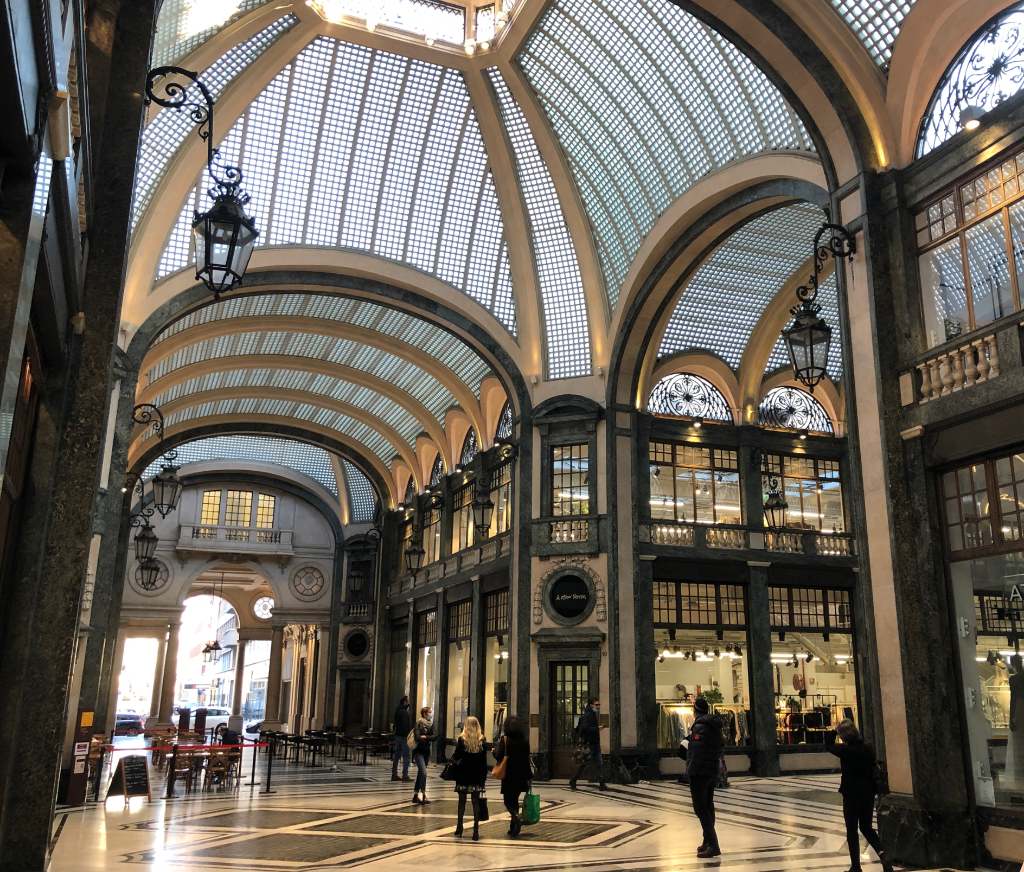
Galleria San Federico
Galleria San Federico is a historic covered gallery in central Turin, featuring marble columns and a glass roof that illuminates its elegant interior. It hosts shops, cafés, and one of the city's oldest cinemas, Cinema Lux. It also served as the original headquarters of La Stampa newspaper. The gallery reflects Turin's 20th-century urban modernization and remains a refined commercial and cultural space.
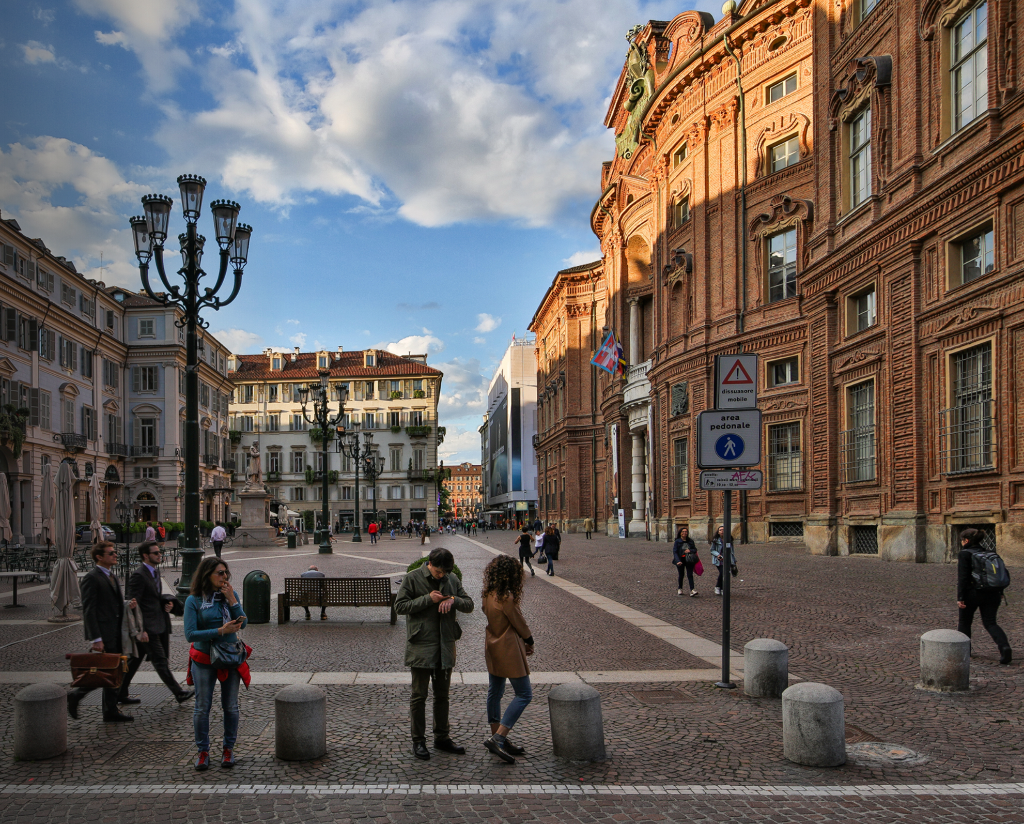
Piazza Carignano
Piazza Carignano is a Baroque square central to the Italian Risorgimento. It is framed by Palazzo Carignano, Teatro Carignano, and historic cafés. The palace was the birthplace of King Victor Emmanuel II and once hosted the Subalpine Parliament. Today it houses the Museum of the Italian Risorgimento. The square is rich in political and architectural history, representing Turin's role in Italian unification.
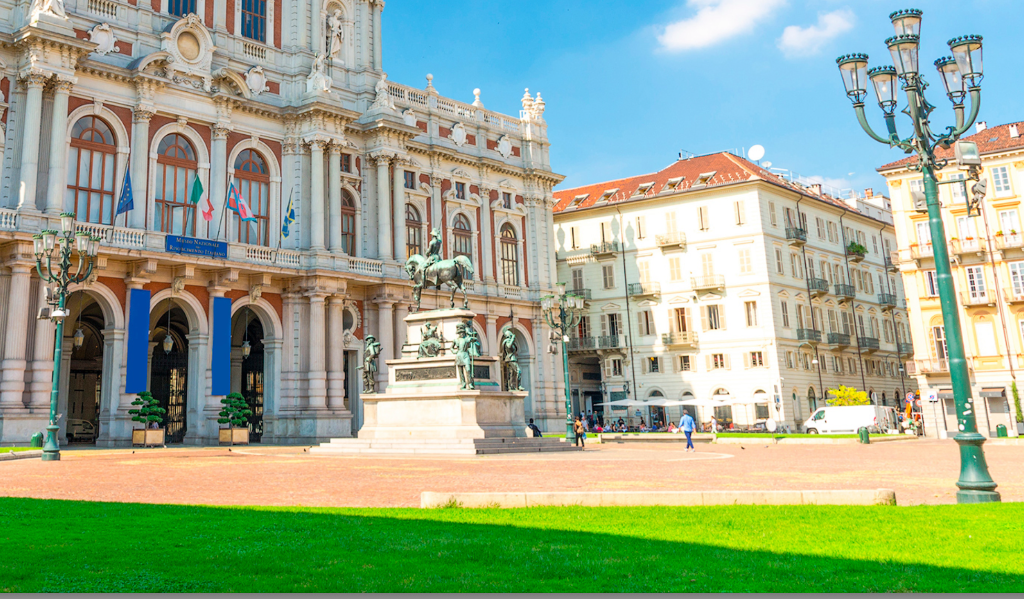
Piazza Carlo Alberto
Piazza Carlo Alberto is a refined pedestrian square dominated by an equestrian statue of King Carlo Alberto. It is bordered by Palazzo Carignano and the National Library. The square is linked to major historical events, including Nietzsche's stay in Turin. Its elegant architecture and quiet atmosphere make it one of the city's most sophisticated urban spaces, reflecting Turin's aristocratic and intellectual heritage.
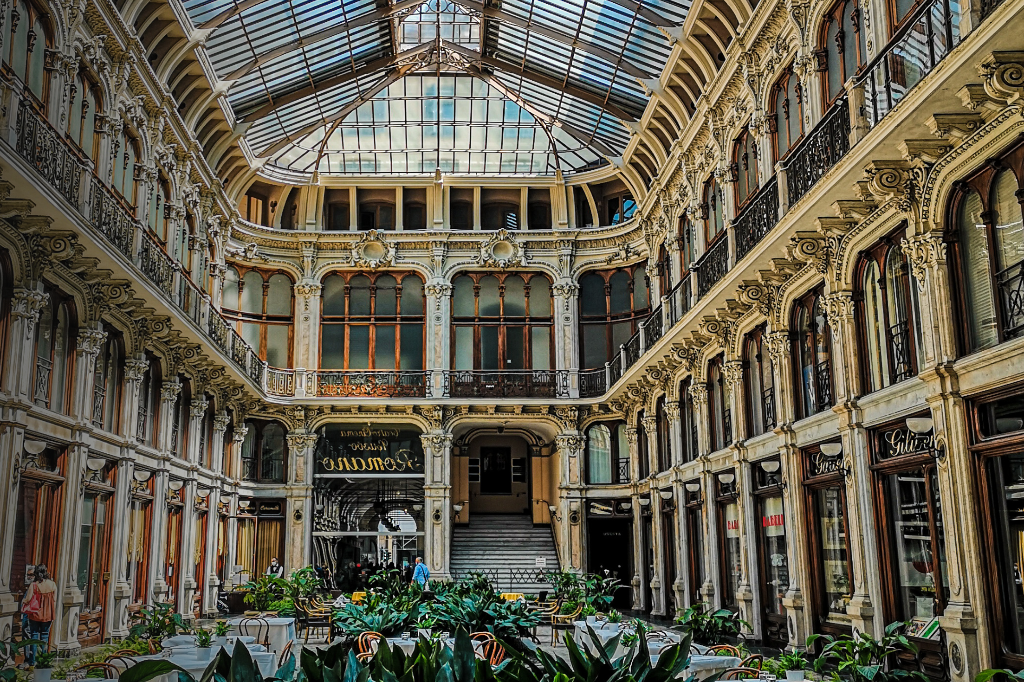
Galleria Subalpina
The Galleria Subalpina is an elegant 19th-century covered arcade in the heart of Turin, inaugurated in 1874 and designed as a refined commercial space for the city's bourgeois society. Architecturally, it blends classical and modern influences, creating a sophisticated atmosphere reminiscent of Parisian passages. Inside the gallery are historic institutions such as the Cinema Romano, one of Italy's oldest cinemas, and Baratti & Milano, one of Turin's most iconic historic cafés. Today, the Galleria Subalpina hosts art galleries, antique shops, and quiet passageways that preserve its aristocratic charm, making it both a cultural landmark and a living piece of urban history.
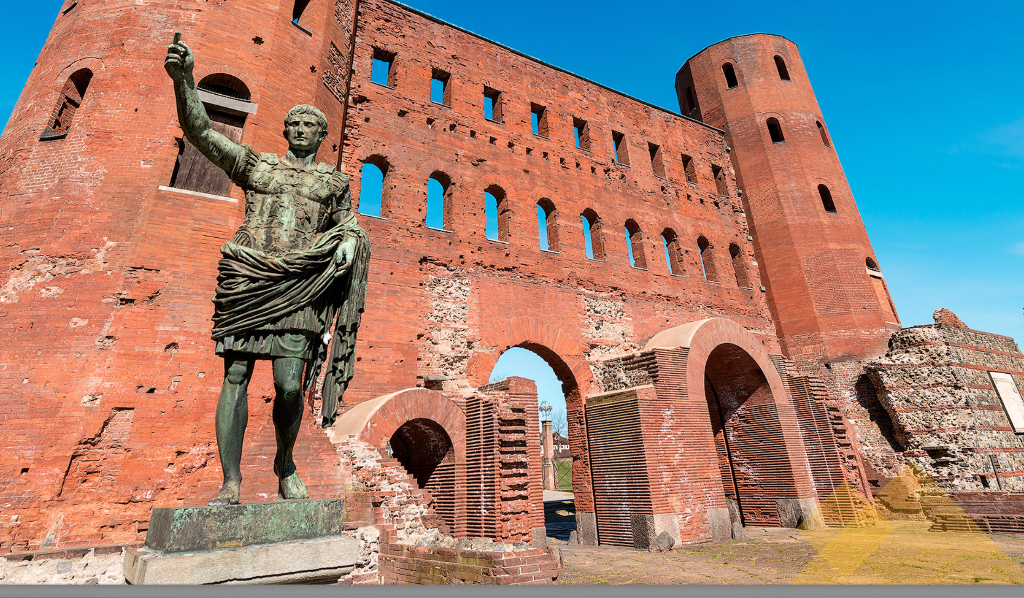
Palatine Towers
The Palatine Towers are among the most important Roman-era remains in Turin and form one of the best-preserved ancient city gates in Europe. Dating back to the 1st century BC, they were part of the Roman fortifications of Julia Augusta Taurinorum and marked the northern entrance to the city along the cardo maximus. The structure includes two imposing towers and the central gate, with visible traces of wagon wheels carved into the stone. Adjacent remains of a Roman guardhouse are still visible. Although statues of Julius Caesar and Augustus are present, they are modern replicas added during 20th-century restorations.
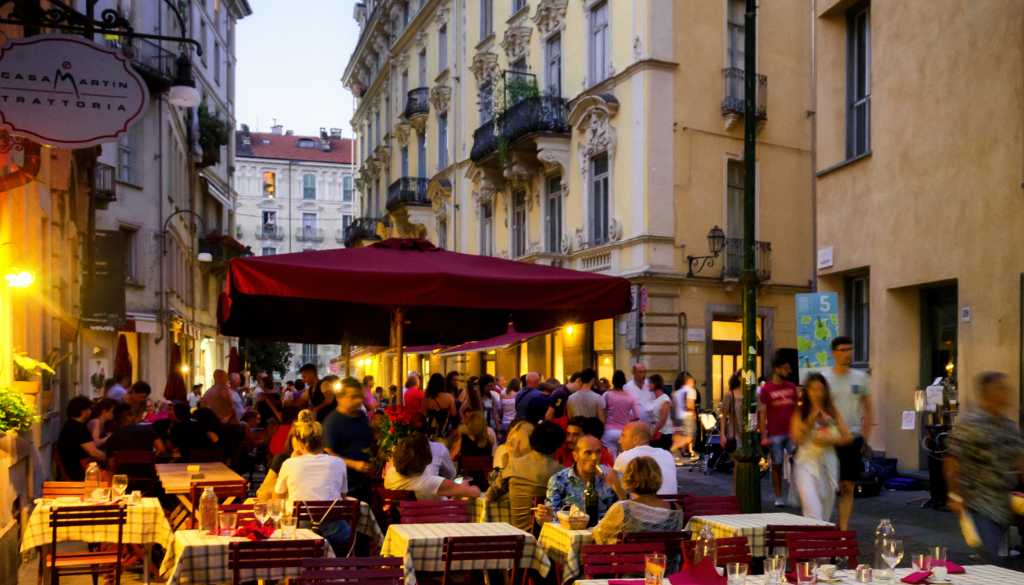
Quadrilatero Romano
The Quadrilatero Romano is one of Turin's oldest districts, built on the original Roman urban layout and now transformed into a lively cultural and nightlife area. Its narrow cobbled streets preserve the geometry of the ancient city while hosting modern bars, restaurants, and boutiques. The heart of the area is Piazza Emanuele Filiberto, a popular social hub. One of its most famous streets, Via delle Tre Galline, is home to one of Turin's oldest restaurants, linked to a 17th-century legend about three sisters who marked their inn with a sign of three hens. Today, the district blends history with vibrant urban energy.
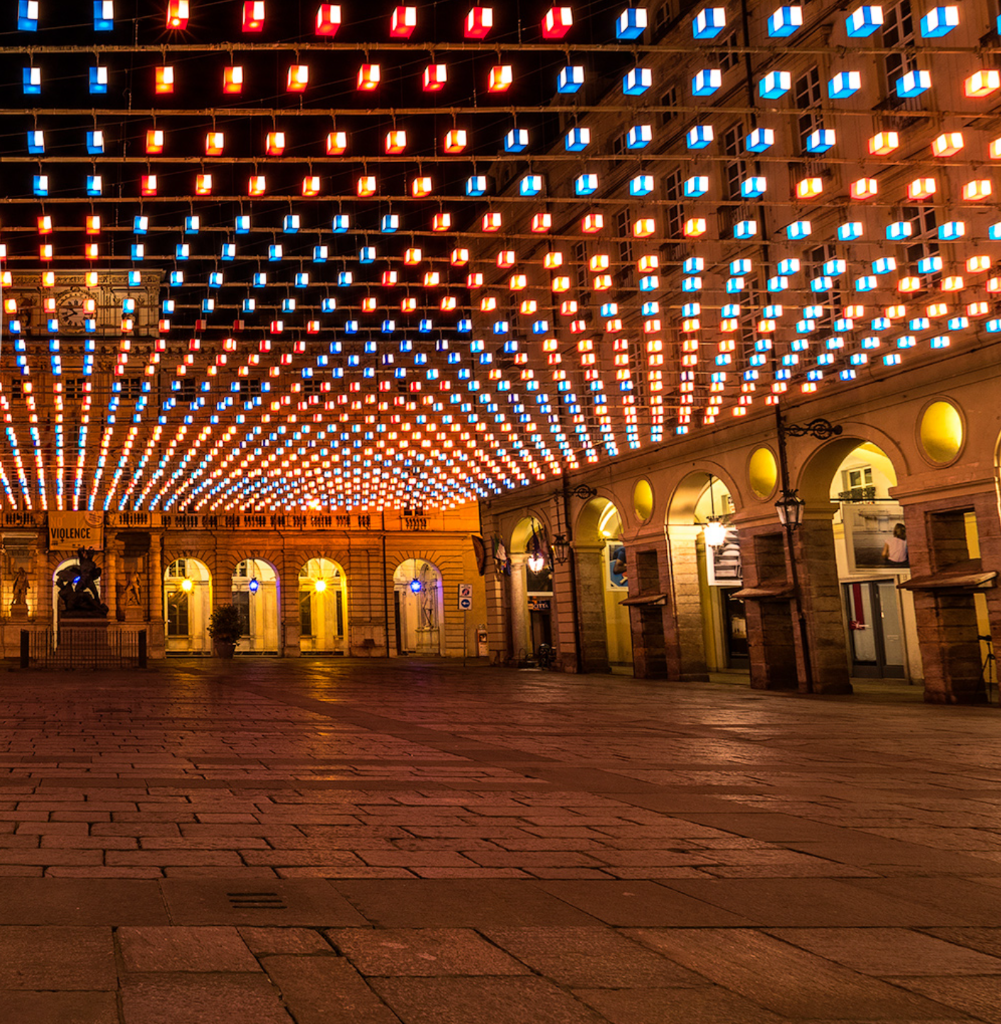
Piazza Palazzo di Città
Piazza Palazzo di Città lies at the heart of ancient Roman Turin, originally part of the city's forum in Julia Augusta Taurinorum. Today it hosts the Palazzo Civico, the seat of Turin's municipal government. Over time, the area was divided into smaller medieval squares before being redesigned in the 18th century with elegant arcades. At its centre stands a statue of the Conte Verde (Amedeo VI of Savoy), depicted defeating a Moorish warrior, symbolising medieval military victories. The square becomes especially atmospheric during winter when it is illuminated as part of the annual Festival of Lights, enhancing its historic architecture.
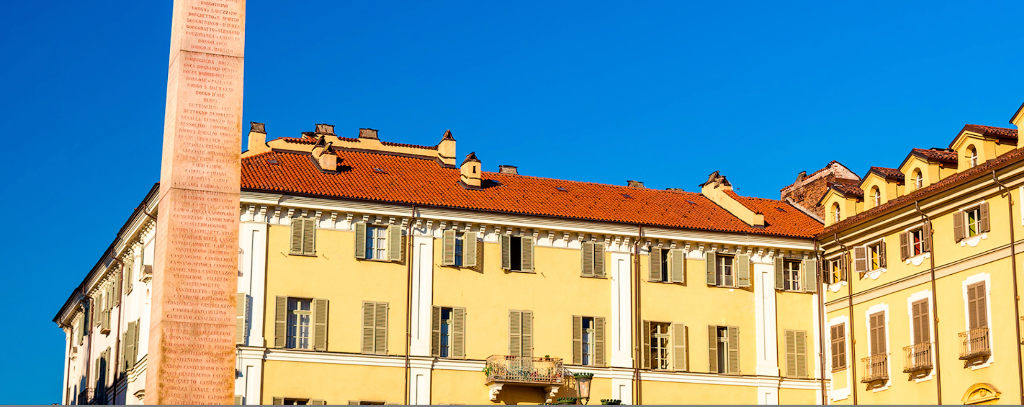
Piazza Savoia
Piazza Savoia, located in the Quadrilatero Romano, is dominated by a 21-meter granite obelisk erected in 1853 to commemorate the Siccardi Laws, which reduced the privileges of the Church and strengthened the separation between State and Church in Piedmont. The monument bears the inscription "The law is equal for everyone," reflecting the reformist spirit of the period. Despite wartime damage, it remains intact. According to tradition, a time capsule was buried beneath it containing newspapers, coins, legal documents, and symbolic local goods such as rice, wine, and breadsticks—intended as a message to future generations about this historic turning point.
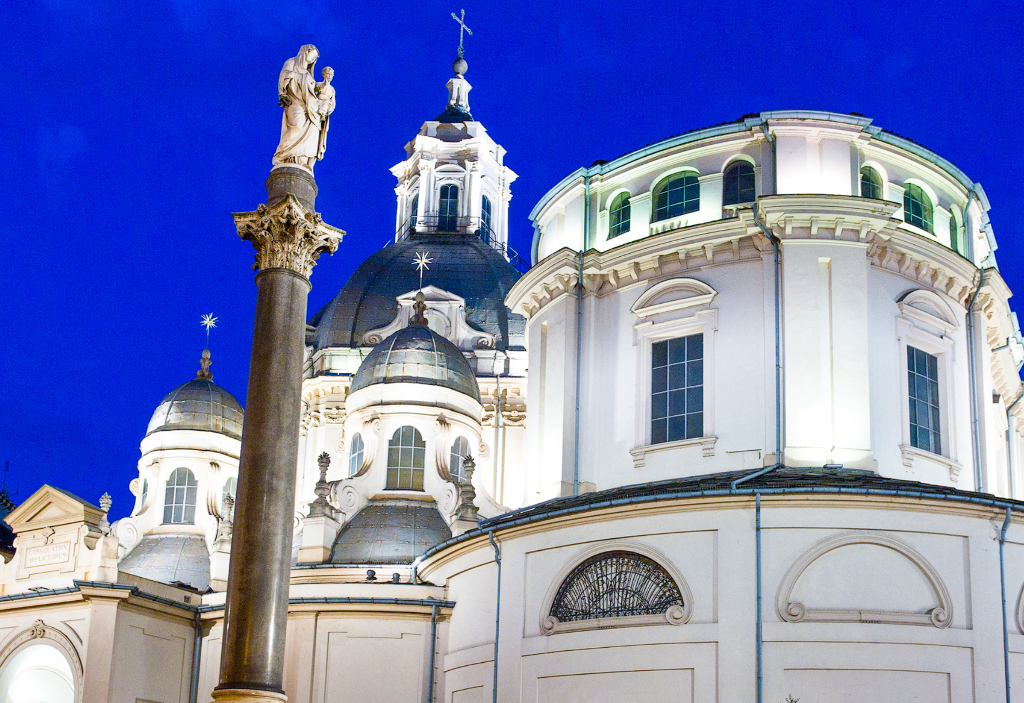
Piazza della Consolata
Piazza della Consolata is a quiet and elegant square in central Turin, closely linked to the nearby Quadrilatero Romano district. It takes its name from the Basilica della Consolata, one of the city's most important baroque churches and a major Marian sanctuary. The church, shaped by contributions from architects such as Guarino Guarini and Filippo Juvarra, gives the square its distinctive spiritual and architectural identity. Recently restored, the surrounding area blends historic charm with a more refined urban atmosphere. Today, the square serves as both a place of worship and a peaceful cultural space within the dense historic fabric of the city.
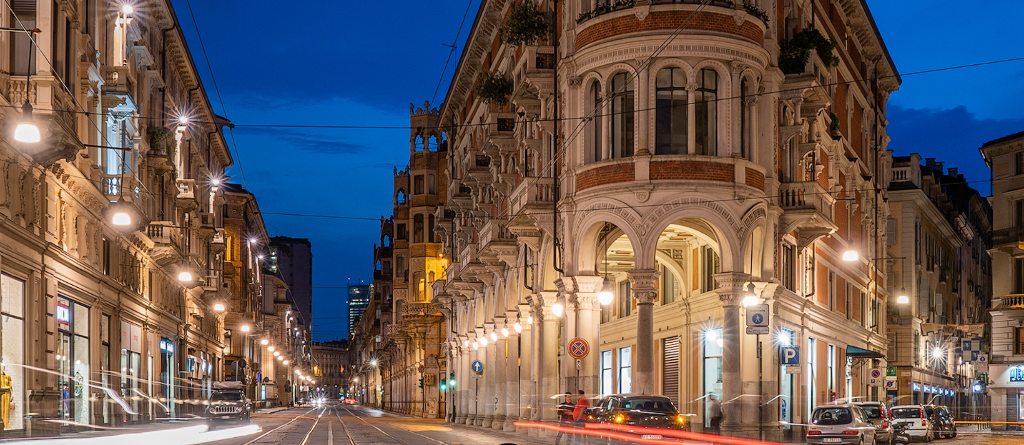
Via Pietro Micca
Via Pietro Micca is one of Turin's key central streets, connecting Piazza Castello to Piazza Solferino and continuing toward the remains of the Citadel in Via Cernaia. It is named after Pietro Micca, a Savoyard soldier who became a national hero during the 1706 Siege of Turin. Micca sacrificed his life by detonating explosives in underground tunnels to stop invading French forces from breaching the city's defenses. His act helped save Turin from capture, making him a symbol of courage and sacrifice. Today, the street also serves as an entry point to the city's underground tunnels and historical military heritage.
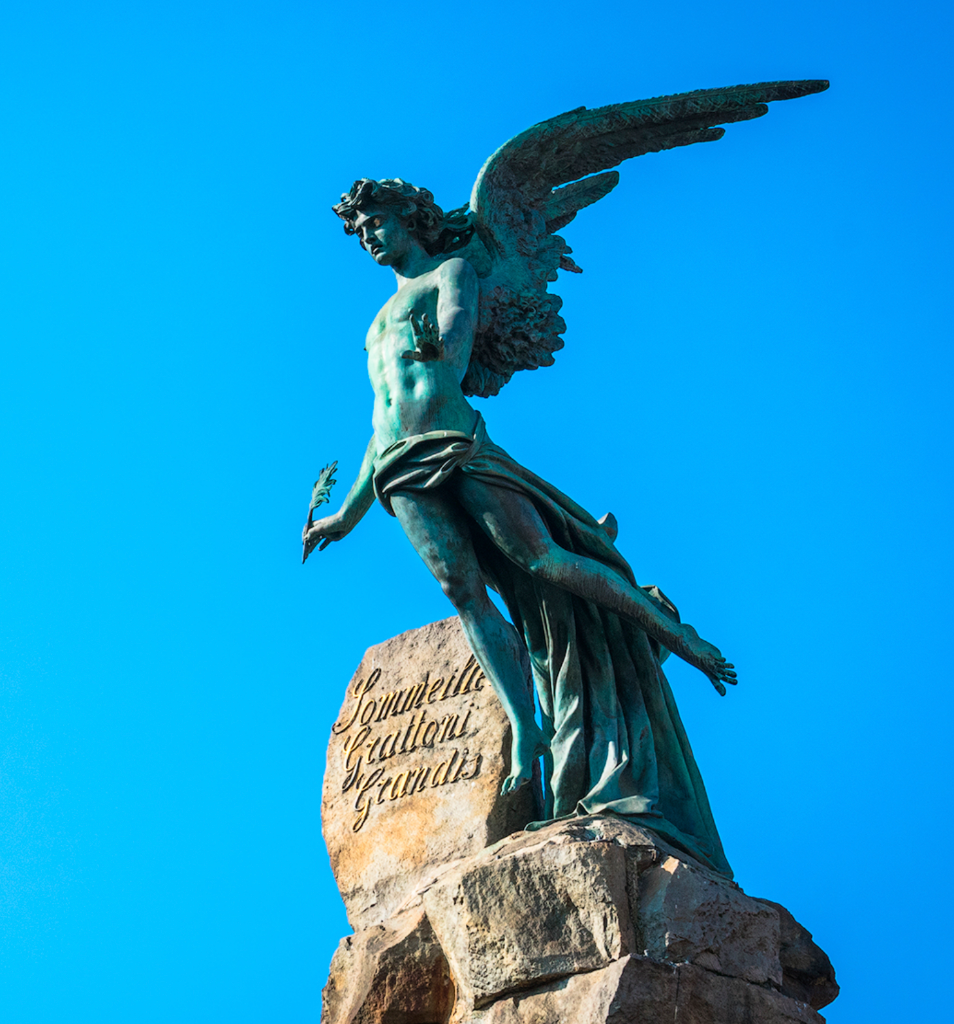
Piazza Statuto
Piazza Statuto is one of Turin's most symbolic and myth-laden squares, often associated with legends of esotericism and hidden energies. It is located at what some traditions call the city's "dark" western point and is linked to the idea of Turin as part of mystical alignments between major world cities. Historically, the area was used as a burial ground and execution site during Roman times, adding to its ominous reputation. At its centre stands the Frejus Fountain, commemorating workers who died during the construction of the Frejus Tunnel. The monument's dramatic figures and angelic imagery have fueled folklore connecting the square to darker spiritual interpretations.
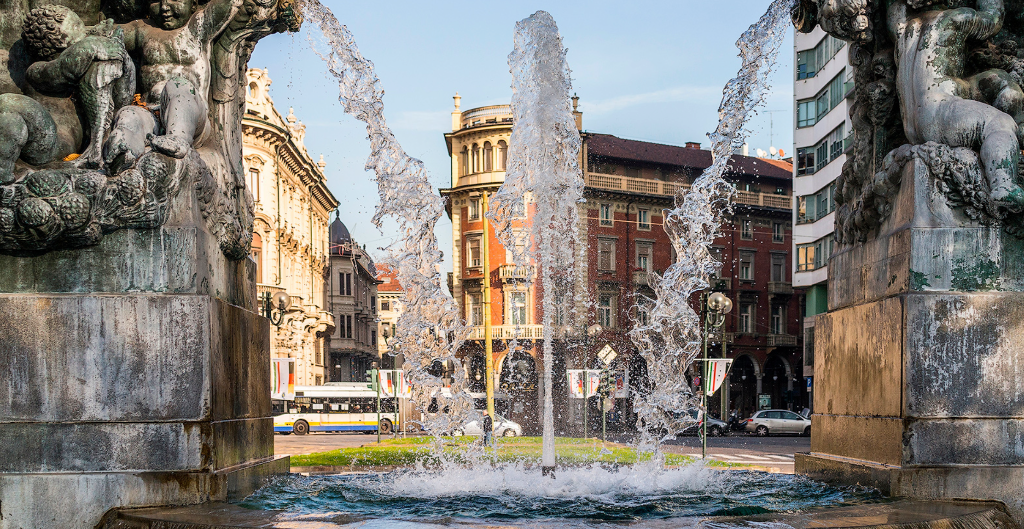
Piazza Solferino
Piazza Solferino is an elegant 19th-century square in central Turin known for its architecture, fountains, and symbolic urban legends. The Angelica Fountain features allegorical figures such as Boaz and Jaquin, often interpreted as guardians of hidden knowledge or thresholds between worlds. Nearby, the Palazzo Trucchi di Levaldigi is famous for the so-called "Devil's Door," a richly decorated portal with a mysterious demonic face at its centre, surrounded by myths of supernatural origins and ghostly appearances. The square is also tied to broader Turin legends involving esoteric symbolism, underground passages, and "doors to infinity," making it one of the city's most mythologized spaces.
Via Garibaldi
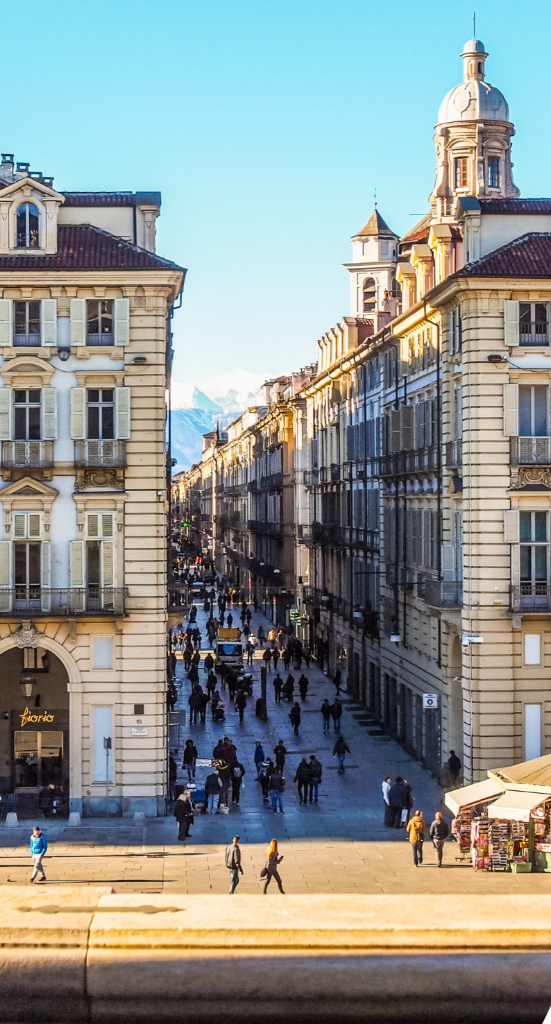
Via Garibaldi, formerly known as Contrada Dora Grossa, is one of Turin's oldest and most important pedestrian streets. Renamed in 1882 in honour of Giuseppe Garibaldi, it connects key historic areas of the city and remains a vibrant commercial artery. As one of Europe's longest pedestrian streets, it is lined with shops, cafés, and historic buildings, reflecting Turin's evolution from Roman origins to modern urban life. Its renaming also commemorates Italy's unification and key national figures such as Garibaldi, Camillo Cavour, Vittorio Emanuele II, and Giuseppe Mazzini. Today, it serves both as a shopping hub and a symbolic route through Turin's history.
Portici di Torino
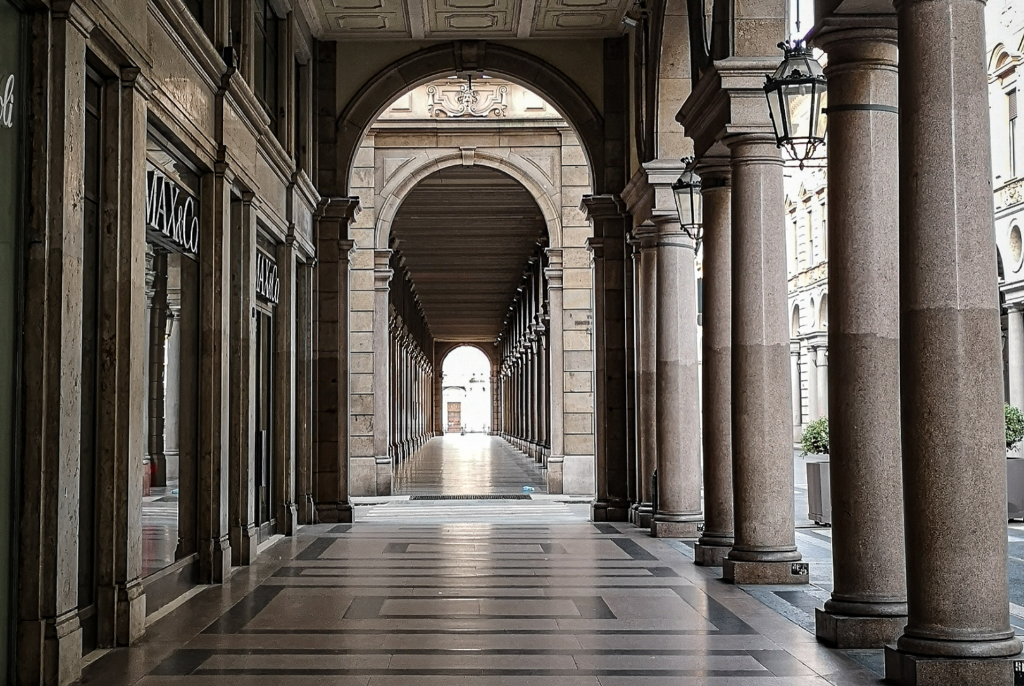
The Portici di Torino are one of the city's most distinctive architectural features, extending for about 18 kilometres across the urban fabric. Of these, roughly 12.5 kilometres are continuous covered walkways, making Turin home to one of Europe's largest pedestrian arcade systems. Originating in the medieval period and developed extensively from the 1600s under the House of Savoy, the arcades were designed by architects such as Ascanio Vittozzi, Filippo Juvarra, and Benedetto Alfieri. Built in stone, marble, and brick across different eras, they create a unified yet stylistically diverse urban "living room." Today, they are both a practical shelter and a cultural symbol of Turin.