Turin is still one of Italy's most affordable major cities, but how much money do you actually need to live here comfortably?
From rent and groceries to public transport, restaurants and the essential Italian coffee at the bar, here is a realistic look at the cost of living in Turin in 2026.
Is Turin Expensive?
Compared with cities such as Milan, Rome and many major Western European capitals, Turin offers a relatively attractive balance between quality of life and everyday costs.
You can enjoy excellent restaurants, efficient public transport, beautiful historic neighbourhoods, cafés, museums, the Alps just outside the city and one of Italy's most important cultural scenes without necessarily needing a Milan-sized budget.
That said, Turin is no longer as inexpensive as it once was.
Housing in particular has become more expensive. Asking rents averaged approximately €13.10 per square metre in June 2026, an increase of 6.1% compared with June 2025. So, what should you budget?
Renting an Apartment in Turin
Housing will normally be your biggest monthly expense.
Current cost-of-living data puts the average rent for a one-bedroom apartment at approximately:
- City centre: €745/month
- Outside the city centre: €525/month
For larger apartments, the difference becomes more significant. A three-bedroom property averages roughly €1,350 in the centre and €880 outside the centre.
Location makes a huge difference. Central and highly desirable neighbourhoods such as Centro, Crocetta and parts of San Salvario will generally command higher prices, while moving further away from the historic centre can considerably reduce your housing costs.
Turin's relatively compact layout and good public transport mean that living outside the centre doesn't necessarily mean being disconnected from city life.
One thing to keep in mind: rents are rising. June 2026 marked a new high in Turin's rental index, so anyone moving to the city should allow some flexibility in their housing budget.
Groceries and Food
For one person cooking most meals at home, a reasonable grocery budget is around €250–350 per month.
Obviously, this depends heavily on what you buy and where you shop. Discount supermarkets can reduce the bill considerably, while shopping regularly at speciality stores, local markets or premium supermarkets will push it higher.
One of Turin's advantages is its enormous food culture. Neighbourhood markets remain an important part of everyday life, and Porta Palazzo, one of Europe's largest open-air markets, can be particularly interesting for fresh fruit, vegetables, meat, cheese and international ingredients.
And then there is eating out.
Restaurants, Coffee and Aperitivo
This is where Turin offers particularly good value.
A simple lunch at a casual restaurant or trattoria can often cost around €15–20 per person, while dinner for two at a mid-range restaurant will typically be somewhere around €60–80, depending on wine and the type of restaurant.
And coffee remains reassuringly Italian. An espresso consumed standing at the bar will commonly cost around €1.20–1.50.
But if you live in Turin, there is another category that deserves its own line in the budget: aperitivo.
Expect roughly €8–15 for a drink with snacks depending on the venue and neighbourhood. More elaborate apericena-style offerings can cost more.
It isn't an essential expense. Although after a few months in Turin, you may disagree.
Utilities
For an apartment of around 80–90 m², electricity, heating/gas, water and related household costs can easily average around €150–220 per month.
But this is one of the hardest expenses to generalise. The age of the building, insulation, type of heating system, number of occupants and individual consumption can make a significant difference — particularly during Turin's cold winters.
Internet and mobile phone contracts are relatively inexpensive compared with many European countries. Allow roughly another €20–35 per month for home internet, with mobile plans often available for less.
Getting Around Turin
Owning a car is certainly not essential if you live and work within the city.
Turin has buses, trams, a metro line and suburban rail connections, while cycling infrastructure continues to expand. Public transport therefore represents a relatively small part of the monthly cost of living compared with housing or food.
There's also an important advantage for younger students. Through the regional Piemove programme, eligible university students under 26 can travel free on Turin's urban public transport network, including buses, trams and metro. Eligibility includes an ISEE ceiling of €85,000 and enrolment at participating universities and institutions.
Turin Essentials
The hand-curated Turin guide
A unique digital journey through the first capital of Italy, written by locals, not scraped or AI-generated.
Discover the GuideThat can make Turin particularly attractive for international and Italian students.
How Much Money Do You Need Per Month in Turin?
Rather than claiming there is one magic number, it is more useful to look at different lifestyles.
Budget lifestyle — approx. €1,130–1,500/month
- Rent: €500–600
- Utilities & internet: €150–200
- Groceries: €250–300
- Transport: €30–50
- Restaurants & drinks: €100–200
- Other expenses: €100–150
Comfortable lifestyle — approx. €1,670–2,400/month
- Rent: €700–900
- Utilities & internet: €180–250
- Groceries: €300–400
- Transport: €40–100
- Restaurants & drinks: €250–450
- Other expenses: €200–300
Our estimated budget for a single person living alone who wants a comfortable but relatively normal lifestyle is around €1,600–1,900 per month.
These are indicative budgets rather than fixed prices. Sharing an apartment can bring the total significantly below these figures, while living alone in a prime central location and eating out frequently can easily push spending above them.
What About Buying Property?
Turin becomes even more interesting when compared with other major Italian cities.
In June 2026, the average asking price for residential property in Turin was approximately €2,067 per square metre.
Of course, averages hide enormous differences between neighbourhoods and individual properties, but Turin remains a comparatively accessible large Italian city for property buyers. This is one of the reasons the city continues to attract students, young professionals, international residents and property investors.
Turin vs Milan: The Value Proposition
Turin's biggest financial advantage becomes obvious when you compare it with Milan.
The two cities are connected by high-speed train in roughly one hour, both are major economic centres in Northern Italy, and both offer excellent restaurants, cultural events, international companies and universities.
But the cost of housing in Turin remains considerably lower. That difference can translate into thousands of euros of savings every year, especially for someone renting alone.
Turin therefore occupies an interesting middle ground: it offers the infrastructure and cultural life of a major European city without yet having the cost structure of Milan, Paris or London.
So, Is Turin a Cheap City?
Not exactly. A better description would be good value.
Turin gives you access to architecture, culture, restaurants, cafés, nightlife, major sporting events, universities and the Alps while keeping many everyday costs relatively manageable.
The biggest challenge is housing: rents are increasing and the best apartments in desirable neighbourhoods are becoming more competitive.
But compared with many other large European cities, Turin remains one of those increasingly rare places where a high quality of urban life doesn't automatically require an enormous budget.
And that may be one of the city's most underrated attractions.
*Note: Prices are indicative and may vary depending on neighbourhood, lifestyle, property type and individual consumption. Housing and cost-of-living figures were checked against data available in 2026.*
Sources & References
- Idealista — Turin Rental Market Report: average asking rent, price per m² and annual evolution. In June 2026 the city average was €13.10/m² (+6.1% year-on-year); Centro-Crocetta reached €15.70/m². Idealista – Turin rental prices
- Idealista — Turin Property Market Report: residential purchase prices. The average asking price in June 2026 was €2,067/m² (+7.4% compared with June 2025). Idealista – Turin property prices
- Numbeo — Cost of Living in Turin: indicative everyday costs (an inexpensive restaurant meal around €18, a three-course meal for two around €70). Crowdsourced, so treat as indicative averages. Numbeo – Cost of Living in Turin
- Regione Piemonte — Piemove: official source for the free public-transport programme for eligible university students under 26. Regione Piemonte – Piemove
- GTT — Gruppo Torinese Trasporti: official source for Turin's public transport network, tickets and season passes. GTT official website
Keep Reading
Juventus
No More Paper Tickets: Inside Allianz Stadium's Digital Revolution
Read
Travel Tips
Is Turin Safe? A Practical Guide for International Visitors
Read
Things to Do
The National Automobile Museum: Why It Is One of Turin's Best Attractions
Read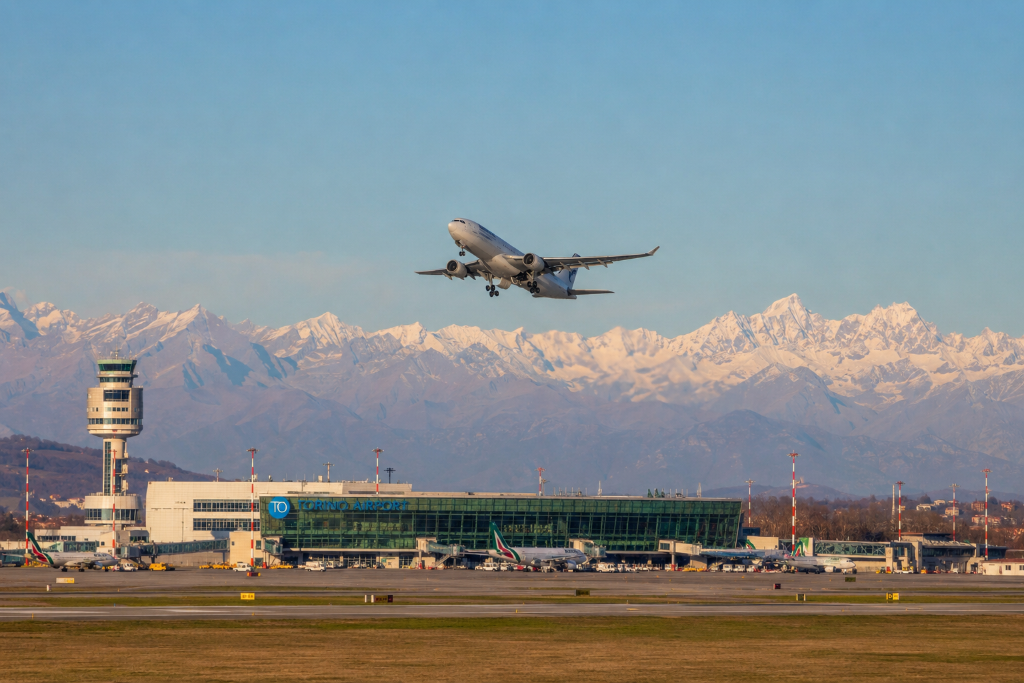
Travel Tips
Turin Caselle: The Fastest-Growing Airport in Italy
ReadThis article reflects our personal knowledge and first-hand experience of Turin. It is intended as a helpful starting point and inspiration, not an exhaustive or definitive guide. Places, prices and details may change over time — we recommend double-checking directly with the source before making plans.
Around Turin Experiences
Live Turin like a local
Curated food tours, tastings, stadium visits and unforgettable moments — handpicked by our team.
Explore Experiences